

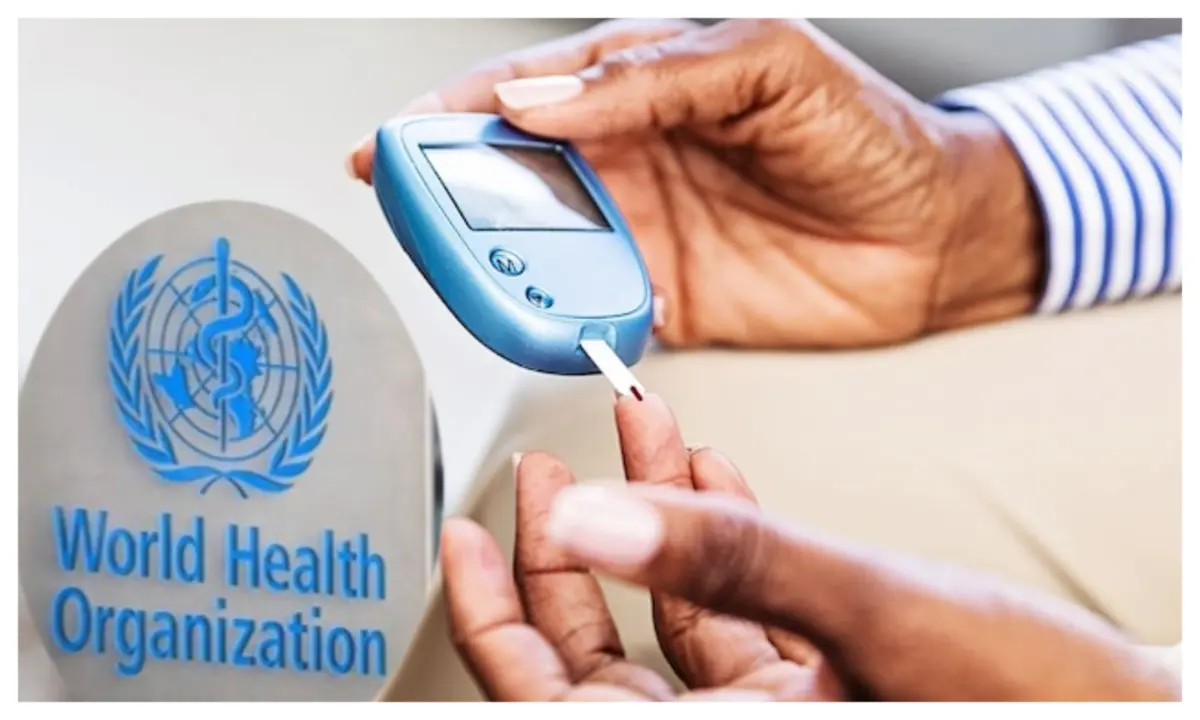
The World Health Organization (WHO) has raised an urgent alarm about the rising prevalence of diabetes in Africa, warning that it is becoming a “silent killer.” Dr. Matshidiso Moeti, WHO’s Regional Director for Africa, highlighted that if swift action is not taken, the number of people living with diabetes on the continent could reach 54 million by 2045, representing the highest global increase. This warning is particularly concerning for Nigeria, where the disease is steadily on the rise.
According to WHO, over 24 million adults in Africa currently live with diabetes, with half of them undiagnosed. The condition is exacerbated by factors like urbanization, unhealthy diets, and physical inactivity, and the WHO stresses the importance of a collaborative approach to tackling the disease. Africa’s healthcare systems, which have traditionally focused on infectious diseases, are ill-prepared to address the growing burden of chronic conditions like diabetes. The continent also suffers from the lowest investment in diabetes care, receiving just 1% of health expenditure.
In Nigeria, the diabetes prevalence rate is currently estimated at 3.46% of the adult population. Regional variations are apparent, with the South-South zone reporting the highest rate at 9.8%, while the North West has the lowest at 3%. The increasing trend in Nigeria is largely attributed to lifestyle changes, including poor diet, lack of exercise, and high consumption of alcohol and sugary foods.
Dr. Uche Okenyi, a Lagos-based health expert, stressed the need for Nigerians to understand the causes and risks of diabetes. He also urged a concerted effort from governments, individuals, and corporations to tackle the rising numbers. He highlighted that Type 1 diabetes, typically affecting adolescents, is caused by insulin deficiency, while Type 2 diabetes, which mostly affects adults over 40, is linked to lifestyle factors such as obesity and lack of physical activity.
The government, according to Dr. Okenyi, can play a critical role in raising awareness, promoting healthy lifestyle changes, and investing in the healthcare sector. Corporate organizations also have a role in educating employees and supporting health initiatives, while individuals should maintain healthy habits, limit alcohol and calorie intake, and seek early medical care for risk factors.
Dr. Innocent Emeka of Divine Hospital in Lagos emphasized the need for increased education, early diagnosis, and better access to diabetes treatments, particularly insulin. He pointed out that more than half of diabetes cases in Africa go undiagnosed, which makes effective intervention difficult.
The WHO has called on all sectors—individuals, governments, communities, and health professionals—to join forces in addressing diabetes, spreading awareness, and improving care. With proper management, lifestyle changes, and early diagnosis, the alarming projections for Nigeria and the broader African continent can be mitigated.


