

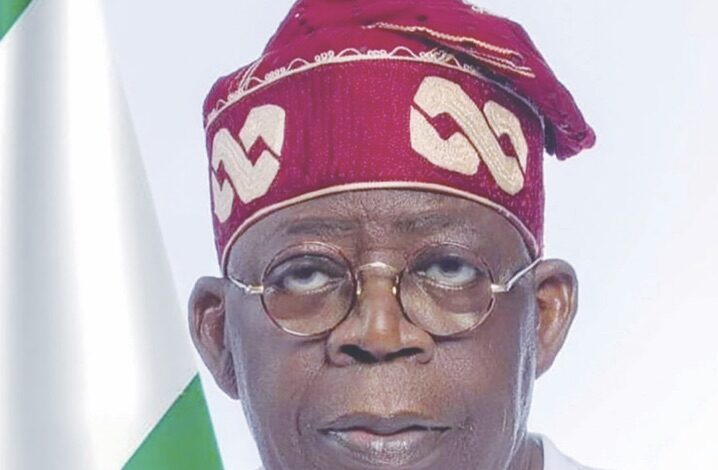
President Bola Tinubu’s proposed Tax Reform Bills have sparked political controversies, particularly among northern lawmakers and governors. The reforms, submitted to the National Assembly in September 2024, aim to address tax evasion, provide fiscal clarity, and protect small businesses. However, critics argue the bills could disproportionately harm northern states.
The four bills include the Nigeria Tax Bill 2024, the Tax Administration Bill, the Nigeria Revenue Service Establishment Bill, and the Joint Revenue Board Establishment Bill. Key provisions include altering the VAT sharing formula and creating a tax tribunal, which northern leaders claim could worsen economic inequalities.
During an October meeting in Kaduna, the Northern Governors Forum rejected the bills, calling them potentially detrimental to the region’s fragile economy. Former Vice President Atiku Abubakar and Senator Aminu Tambuwal have also voiced opposition, citing economic hardships exacerbated by recent policy changes like subsidy removal.
Civil society organizations, including CISLAC, have called for broader consultations to ensure the reforms promote equity and inclusiveness. They recommend measures such as maintaining the current VAT rate, addressing systemic disparities, and fostering public-private partnerships to revitalize state economies.
Despite the criticism, proponents argue the reforms could streamline taxation and enhance fiscal transparency. The debate continues as the bills await further readings in the National Assembly.


