

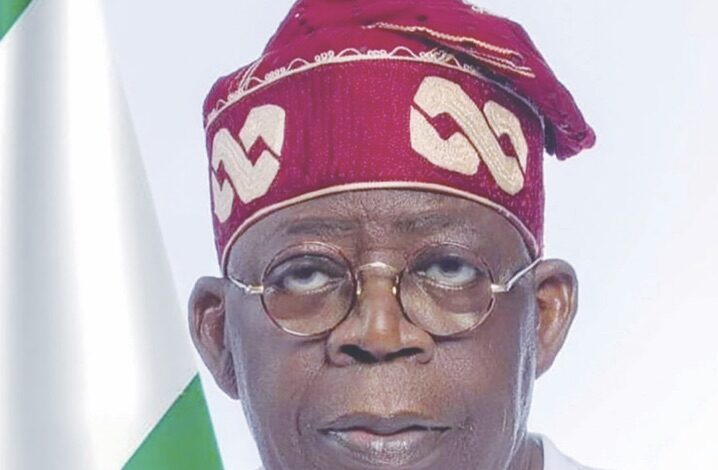
The Lagos State branch of the Nigerian Medical Association (NMA) has called on President Bola Tinubu to review his administration’s economic policies and lower the price of Premium Motor Spirit (PMS), commonly known as petrol.
Dr. Saheed Kehinde, Chairman of Lagos NMA, criticized the recent increase in petrol prices, stating that it has caused significant hardship for Nigerians, including medical and dental professionals who are already grappling with severe economic pressures and insecurity.
Kehinde expressed concern that the price hike is exacerbating the economic challenges faced by healthcare professionals and leading to an exodus of practitioners from the country. “The rise in PMS prices comes at a time of unprecedented economic strain for Nigerians. This decision will have widespread effects, intensifying the mental, social, and emotional stress faced by citizens,” Kehinde said in a statement released on Thursday.
He highlighted that the combination of high inflation rates and living costs, coupled with the recent petrol price increase, is likely to worsen poverty levels, contribute to rising depression rates, and lead to more stress-related health issues and social unrest. “It is unjust to expect doctors, who earn an average of $300 per month, to manage such drastic increases in living costs,” he added.
The NMA Lagos State urged President Tinubu to act swiftly to reverse the petrol price hike to its previous level. They called for this measure to provide relief to the public and healthcare professionals alike, who are already struggling with the removal of petrol subsidies, soaring inflation, high electricity tariffs, and increased taxation on wages.
Additionally, the association recommended that the Federal Government reassess its economic policies, emphasizing the need for Nigeria to achieve self-sufficiency in petroleum production. They urged the government to accelerate efforts to end petrol importation and revitalize local refineries. Addressing persistent insecurity in the country was also highlighted as a crucial step towards creating a stable environment conducive to economic growth and alleviating widespread hardship and poverty.


