

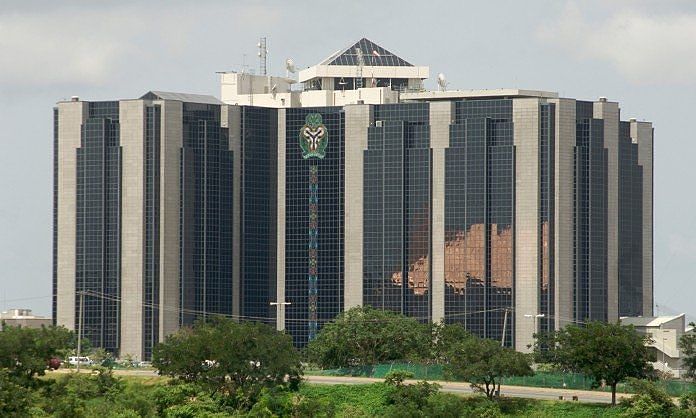
The Central Bank of Nigeria (CBN) reported a significant increase in credit to the Federal Government, rising by N11.33tn or 57.11%, reaching N31.15tn in August 2024 from N19.83tn in July. This data is part of the CBN’s latest Money and Credit Statistics, which indicate fluctuating borrowing trends by the three tiers of government from commercial banks in recent months.
In June, government borrowing stood at N23.93tn, following a rise from N19.98tn in April. However, May saw a higher figure at N28.38tn. Earlier in 2024, credit peaked at N33.93tn in February before declining to N19.59tn in March.
Growing Reliance on Borrowing
The upward borrowing trend reflects the Federal Government’s increasing dependency on CBN loans for capital projects, debt servicing, and other fiscal responsibilities. Economic experts have expressed concerns over the sustainability of this borrowing, warning that it could place additional strain on Nigeria’s economy and contribute to inflationary pressures.
Decline in Private Sector Credit
While government borrowing increased, credit to the private sector decreased by N777.13bn, falling to N74.73tn in August from N75.51tn in July. In January, private sector credit stood at N76.48tn, peaking at N80.86tn in February before dropping to N71.21tn in March. Modest growth followed in subsequent months, with credit reaching N73.19tn by June.
Currency in Circulation
The report also revealed an increase in currency circulation, rising to N4.14tn in August from N4.05tn in July, an uptick of N91.08bn or 2.25%. Combined credit to the government and private sector, along with money in circulation, amounted to N110.03tn in August.
Monetary Policy Adjustments
To address excess liquidity and stabilize the exchange rate, the CBN’s Monetary Policy Committee (MPC) raised the monetary policy rate by 50 basis points to 27.25% in its fifth consecutive hike of the year. Additionally, the cash reserve ratio for commercial banks increased to 50%, and to 16% for merchant banks.
While these policies aim to curb inflation, they also risk tightening liquidity in the private sector, which could slow economic growth. Research firm Afrinvest warned that Nigeria must find a balance between inflation control and growth stimulation, particularly in stimulating private sector activity for sustainable economic development.
Rising Public Debt
Nigeria’s total public debt reached N121.67tn by June 2024, up 24.99% from N97.34tn in December 2023, according to the Debt Management Office. This figure includes domestic and external debts for the Federal Government, 36 state governments, and the Federal Capital Territory.


