

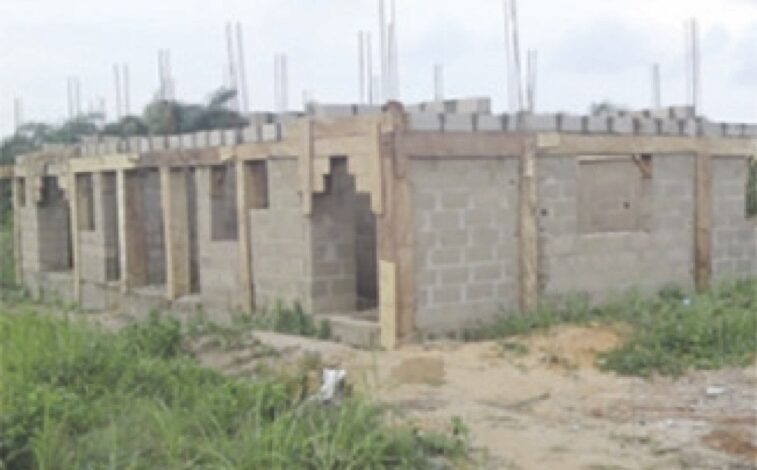
The Nigerian construction industry is grappling with a severe crisis as the cost of building materials reaches unprecedented heights amidst ongoing economic challenges. This surge in prices is compelling many builders to abandon their construction sites, exacerbating the acute housing shortage in major urban areas. With the rapid expansion of urban populations and a lagging housing supply, the situation is nearing a critical point, potentially leading to increased homelessness and overcrowded living conditions.
Escalating Costs of Essential Materials
The sharp rise in prices affects a broad spectrum of building materials. Essentials such as cement, steel rods, paints, tiles, sand, wood, sanitary wares, roofing sheets, nails, electrical fittings, and even water have all experienced significant price hikes. Cement prices, for example, have soared from approximately N7,500 to N8,200 per 50kg bag, reaching between N13,000 and N15,000. Similarly, the cost of softwood has risen from N400 to N650, while hardwood prices have also climbed. Additionally, the cost of binding wires has more than doubled, and roofing a standard three-bedroom house now ranges between N1.2 million and N1.5 million, depending on material choices and transportation expenses.
Impact on the Industry
Merckson Innocent Okoro, Principal Partner at MI Okoro and Associates, attributes these rising costs to high exchange rates and economic difficulties affecting the importation of building materials. The reliance on imported materials due to a lack of local alternatives drives up costs and affects housing affordability. Developers, facing higher construction costs, are often forced to price properties in dollars despite regulatory restrictions, further exacerbating the housing crisis.
Kunle Awobodu, former President of the Building Collapse Prevention Guild (BCPG), points out that the skyrocketing prices are leading some projects to be abandoned. Fluctuating prices and market forces impact construction budgets, often compromising material quality and project integrity. Awobodu urges building professionals, homeowners, and developers to prioritize quality and adapt to the challenging market conditions.
Government’s Role and Future Outlook
Mr. Uchendu Nicholas, a prominent cement distributor in Festac, reports that cement prices have stabilized at around N14,200 to N16,000 per bag following earlier hikes. He advocates for government intervention to address price volatility, particularly during the rainy season when construction demand typically wanes. Nicholas highlights the need for a regulatory price control mechanism to prevent unpredictable costs and alleviate financial strain on builders.
Real estate developer McCmillan Nwose emphasizes that rising costs are impacting construction timelines and project feasibility. He notes that the cost of building a duplex in Nigeria can range between N37 million and N120 million, depending on factors such as location, design, and materials. Nwose advises prospective builders to carefully plan their budgets, choose reputable developers, and explore financing options that align with their financial constraints.
Experts agree that the current state of Nigeria’s construction industry underscores the urgent need for more sustainable and cost-effective building solutions. As material costs continue to rise, both individual builders and large-scale developers must navigate these challenges with strategic planning and adaptability. Collaboration between government bodies, industry stakeholders, and financial institutions will be crucial in addressing these issues and ensuring that Nigeria’s housing market can meet the growing demands of its urban population.


