

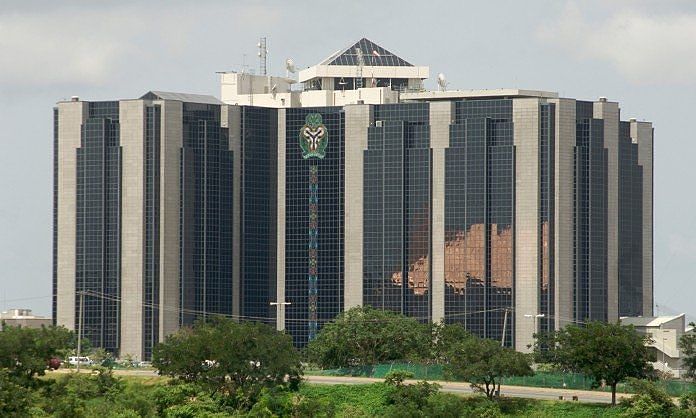
The Central Bank of Nigeria (CBN) has confirmed it will continue to provide Ways and Means Advances to the Federal Government at a five per cent limit, despite a recent bill by the National Assembly raising the ceiling to 10 per cent. This information was revealed in the CBN’s Monetary, Credit, Foreign Trade, and Exchange Policy Guidelines for the 2024-2025 fiscal years, published on Tuesday.
Under the CBN guidelines, the bank can lend up to five per cent of the previous year’s actual collected revenue to the government, with the requirement that the loans must be repaid within the same year to avoid long-term fiscal strain.
The CBN’s decision contrasts with the National Assembly’s bill, which sought to increase the borrowing limit from five to 10 per cent. However, the apex bank emphasized the importance of adhering to its guidelines to maintain macroeconomic stability.
“The Ways and Means Advances shall continue to be available to finance deficits in the government’s budgetary operations to a maximum of five per cent of the previous year’s actual collected revenue,” the CBN said in the document. The advances are expected to be repaid by the end of the year they are granted.
The CBN also stressed that these advances would be determined after recognizing the sub-accounts of various ministries, departments, and agencies (MDAs) linked to the Consolidated Revenue Fund, ensuring a more accurate federal cash position.
Ways and Means Advances serve as temporary loan facilities to cover shortfalls in government revenue and are regulated by Section 38 of the CBN Act, 2007.
The CBN’s decision follows controversy in 2023 when former CBN Governor Godwin Emefiele allegedly approved N22.7 trillion in loans to the government without National Assembly approval. This move was widely criticized for contributing to inflation and excess liquidity in the economy.
In response to the ongoing economic challenges, current CBN Governor Olayemi Cardoso told the Senate in February 2024 that the CBN would halt further advances to the government until previous loans were repaid. Minister of Finance Wale Edun recently announced that N7.3 trillion of the outstanding advances had been repaid.
The CBN’s 218-page document also highlights risks for the 2024/2025 fiscal year, including the removal of fuel subsidies, rising external debt servicing obligations, and potential challenges to external reserves growth.


