

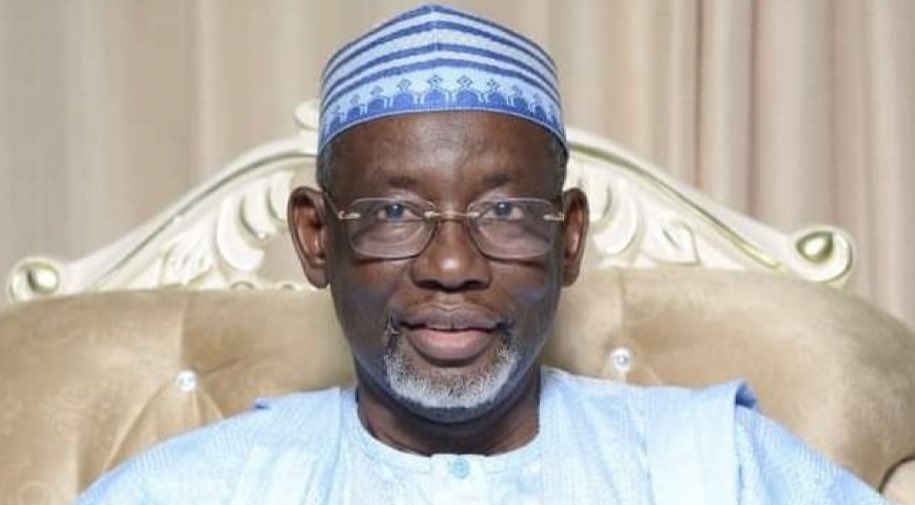
Jigawa State Governor, Umar Namadi, has announced a significant agricultural subsidy program aimed at boosting local wheat production. The initiative sees the state government covering 75% of the costs for wheat farmers, helping to enhance food self-sufficiency in Nigeria.
Speaking after the West and Central Africa Development Network Wheat second regional summit in Abuja, Namadi highlighted the state’s focus on expanding wheat cultivation. Through a partnership with the African Development Bank and the Federal Ministry of Agriculture, 120,000 hectares of land have been allocated for wheat farming in Nigeria, with Jigawa receiving 40,000 hectares.
The governor emphasized the state’s ambition to take on this challenge. “We are committed to the cultivation of the 40,000 hectares, and an additional 5,000 hectares have been engaged through the Flour Milling Association of Nigeria,” Namadi stated. Farmers who did not benefit from the subsidy cultivated an additional 10,000 hectares, bringing the total to 55,000 hectares of wheat in the state.
Governor Namadi also explained the subsidy structure, which significantly reduces farmers’ financial burden. “The federal government provided a 50% subsidy, and we decided to further support our farmers by covering 75% of the remaining costs. This means farmers only contribute 25% towards their inputs,” he said, adding that the measure has encouraged more farmers to engage in wheat production.
Looking forward, Namadi expressed plans to expand wheat farming to 100,000 hectares in the coming year. “We are aiming at 100,000 hectares this year, and we plan to double our engagement with the Flour Milling Association to increase cultivation,” he added.
In addition to subsidies, efforts are underway to improve seed availability. The Ministry of Agriculture has imported seeds from Mexico, while local seed production is also being prioritized, with local youth involved in the process. “Seed production is lucrative because it commands a premium price,” Namadi noted.
With these initiatives, Jigawa State is positioning itself as a leader in wheat production, working towards food security and agricultural growth in Nigeria.


