

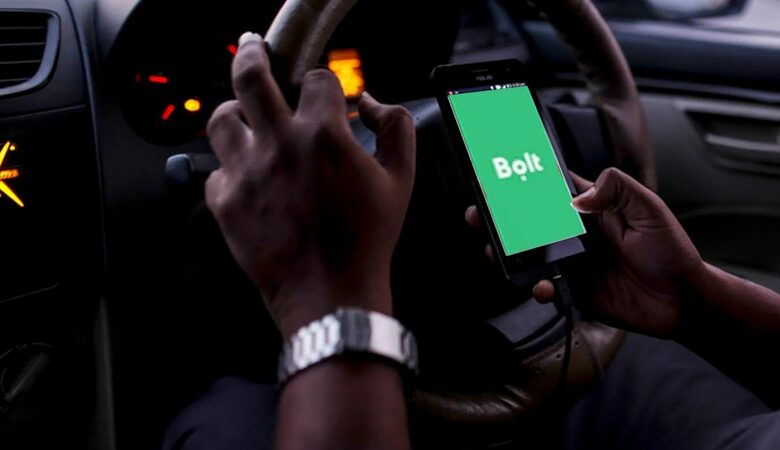
The online ride-hailing service Bolt has suspended ride requests between Nigeria and South Africa following a surge in fake bookings fueled by an online rivalry.
This social media-driven conflict saw users from both countries initiating and then canceling trips in the other country, causing significant disruptions for drivers. Munyaradzi Chinyama, a Bolt driver in Cape Town from Zimbabwe, reported experiencing multiple fake ride requests, which resulted in wasted fuel, time, and money.
Bolt has since identified and blocked the users responsible for the fraudulent bookings. In a statement, the company acknowledged the challenges faced by its drivers, saying, “We are aware of the difficulties this situation has caused for our driver-partners in both Nigeria and South Africa.”
The restriction on inter-country ride requests is specific to Nigeria and South Africa, while services between other countries remain unaffected.
Chinyama also received derogatory messages through Bolt’s messaging feature, including comments like “Mandela’s son.” The exact origins of this so-called “Bolt war” are unclear, but longstanding social media tensions between Nigeria and South Africa appear to be a driving factor. One user admitted to booking a prank ride in Nigeria as a form of retaliation for perceived slights.
A similar incident occurred in Kano, Nigeria, where a driver received a fake airport trip request from an international number. The driver noted that many of his colleagues had faced similar issues. Some social media users expressed sympathy for the affected drivers, pointing out the financial hardships they endure. One user on X remarked, “Uber and Bolt drivers are just trying to make ends meet. They aren’t on Twitter trolling anyone.”
Others criticized the pranksters for their actions, especially given the high fuel prices in Nigeria, which make these pranks particularly costly for drivers. The “Bolt war” has also led to increased ride fares in both countries, making transportation unaffordable for many.
This situation highlights broader tensions between Nigeria and South Africa, such as the controversy involving xenophobic abuse directed at Chidimma Adetshina, a half-Nigerian contestant in the Miss South Africa competition. Ongoing debates over pop stars like Tyla and Arya Starr, as well as rivalries between the nations’ football teams, have further fueled the discord.
Bolt’s decision to restrict inter-country ride requests is a temporary solution, but the underlying tensions between Nigeria and South Africa persist. As this “Bolt war” demonstrates, such rivalries can have real-world consequences, particularly for those working in the gig economy.


