

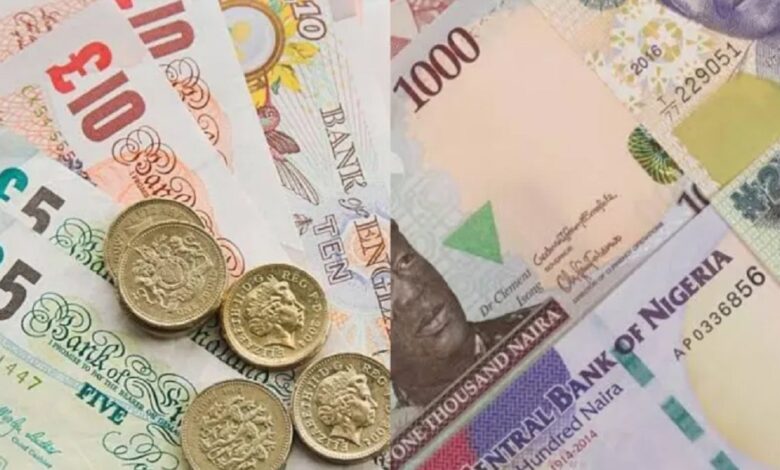
The naira weakened further against the British pound in the final trading session of the week, with the pound reaching N2,112.8/£1 on the unofficial market. This decline highlights a continuing depreciation of the naira against major currencies, including the pound, dollar, and euro, over the past three months.
The increased demand from importers and travellers has exerted significant pressure on the local currency, contributing to its weakening. The Retail Dutch Auction mechanism, recently introduced by the Central Bank of Nigeria (CBN), has so far failed to stabilize the naira.
Several factors, including low oil production, ongoing petrol subsidies, and limited dollar liquidity, have undermined the CBN’s efforts to strengthen the naira. Despite an increase in Nigeria’s foreign exchange assets, these challenges have continued to weigh on the currency’s performance.
Market attention is now focused on the impending US Non-Farm Payrolls (NFP) data for August, which could influence the Federal Reserve’s interest rate decisions. The lower-than-expected job growth reported by ADP for August has raised concerns about a potential US recession, adding uncertainty to the economic outlook.
The NFP report is a key indicator of the US labor market’s health and could affect the timeline for future rate cuts by the Fed. Currency traders are closely monitoring this data to gauge the potential for more aggressive rate cuts.
The anticipation of a more aggressive rate reduction by the Fed compared to the Bank of England has contributed to the British pound’s strong performance against the US dollar this year. The UK economy’s gradual recovery has further strengthened the pound. Recent comments from policymakers at the Jackson Hole Symposium suggest that the Fed may be more inclined to lower borrowing costs than the Bank of England, leading to diverging expectations for rate cuts between the US and the UK.


