

The late Chief Obafemi Awolowo once remarked, “The primary responsibility of leadership is catering for and promoting its people so that they may live a full and happy life.” Unfortunately, many Nigerians currently feel far from this ideal, grappling with hyperinflation, soaring living costs, and turmoil in the oil and gas sector.
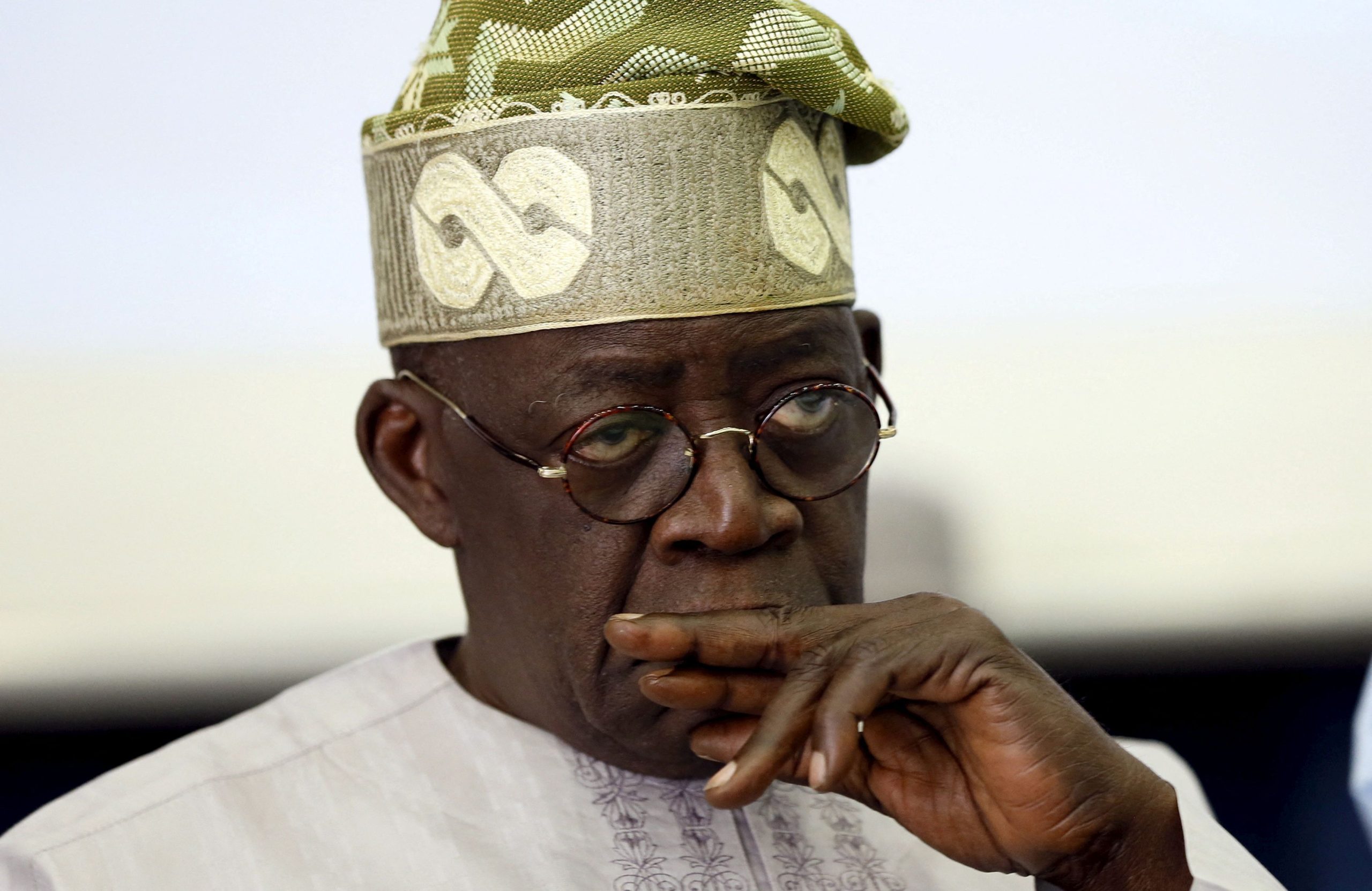
President Bola Tinubu entered office promising renewed hope. Despite initial support following his controversial inauguration on May 29, 2023, public patience has waned due to rising governance costs and the misuse of public funds.
By August 1, 2024, nationwide protests erupted as citizens became increasingly frustrated with the state of the petroleum industry. How can Nigerians face fuel prices exceeding 1,000 naira while struggling to obtain it? Long queues at filling stations and exorbitant fuel costs are becoming the norm, creating an untenable situation.
Many Nigerians believe the issues extend beyond the presidency; they argue that numerous aides are either incompetent or ineffective. Tinubu’s decision to appoint himself as the petroleum minister, alongside creating the largest cabinet in Nigeria’s history, raises questions about leadership accountability.
Despite stating in May, “I will relieve any cabinet member of their duties anytime I feel that they are failing Nigerians,” it appears that the current cabinet is racing toward failure. The national grid has collapsed multiple times this year, projects from past administrations remain unaddressed, and food insecurity persists despite agricultural initiatives.
To restore faith in governance, a reshuffle is necessary, beginning with the presidency itself. Leaders should focus on their overarching administrative roles rather than holding ministerial positions. This trend of presidents occupying ministerial roles, initiated by former leaders, has led to mismanagement in vital sectors.
The petroleum industry is in chaos, facing challenges like oil theft and outdated facilities, which undermine revenue and hinder progress. While the end of fuel subsidies was intended to be beneficial, many citizens remain confused as benefits fail to materialize.
With the president also serving as chair of the Economic Community of West African States, it is crucial that he relinquishes the petroleum minister role and appoints a qualified technocrat to oversee the sector. Nigeria’s economy requires his undivided attention, especially in addressing pressing security issues, infrastructure decay, and the growing hunger crisis affecting millions.
To break this impasse, decisive action is essential, starting with the president stepping down as petroleum minister. Only then can the administration focus on delivering real change for the Nigerian people.


