

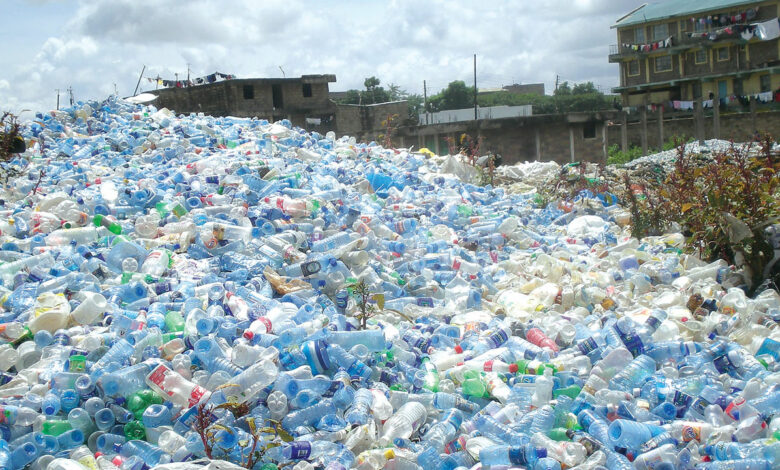
The Federal Government and environmental stakeholders have initiated efforts to combat plastic waste pollution across Nigeria. During a stakeholders’ meeting in Abuja, the Minister of State for Environment, Dr. Iziaq Salako, highlighted the pressing environmental challenges posed by plastic waste.
Represented by Dr. Ahmadu Jibril, Assistant Director of Solid Waste at the Ministry of Environment, Salako emphasized the importance of the Extended Producer Responsibility (EPR) program. The meeting focused on national guidelines for implementing the EPR for plastic packaging, aimed at tackling the rising pollution levels.
Salako pointed out that Nigeria, as a signatory to the Basel Convention, is committed to reducing hazardous waste and managing plastic waste responsibly. He explained that the Convention’s recent amendment classifies plastic waste as hazardous, prohibiting its transboundary transportation and urging countries to manage the waste from its source.
The Federal Government, in line with global commitments, is developing regulations under the EPR program to reduce plastic waste and provide a roadmap for stakeholders within the plastic packaging sector. These guidelines will ensure the effective management of plastic waste and clarify the responsibilities of all stakeholders.
Dr. Innocent Barikor, Director-General of the National Environmental Standards and Regulations Enforcement Agency (NESRA), highlighted the severe environmental degradation caused by plastic waste, noting its negative impact on ecosystems, wildlife, and human health. He stressed the urgent need for a robust waste management system, adding that the EPR program shifts waste management responsibility to producers of plastic packaging.
In support, Yomi Banjo, a representative of the United Nations Industrial Development Organisation (UNIDO), pledged the organization’s continued backing of the EPR initiative. Agharase Onaghise, Executive Director of the Food and Beverage Recycling Alliance, praised the timeliness of the draft guidelines, underscoring the importance of aligning with a circular economy.
This collaboration between the government and stakeholders marks a significant step toward addressing Nigeria’s plastic pollution crisis.


