

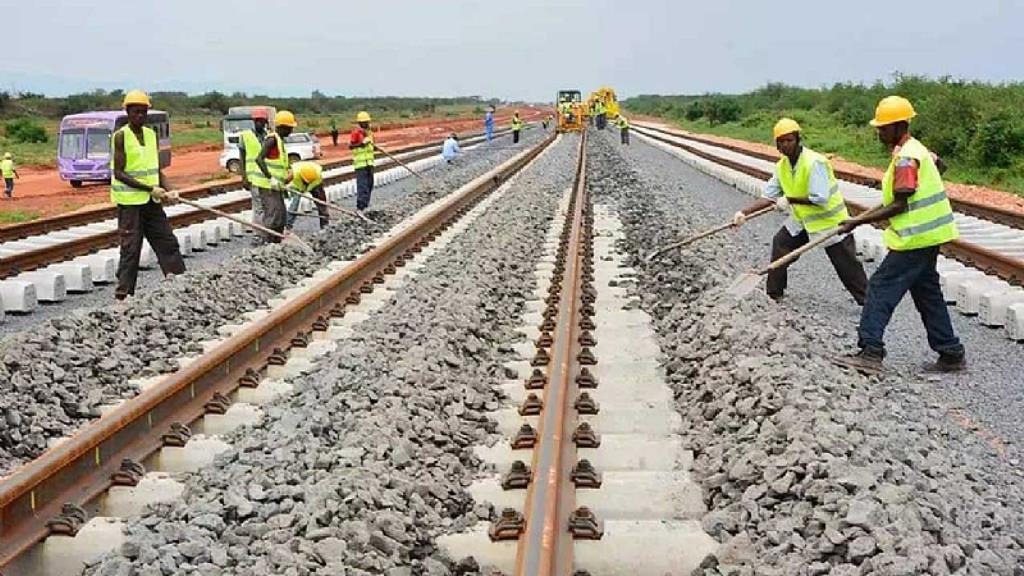
A recent report by Environmental Resources Management and EnvAccord Limited has revealed that the Kano-Niger rail project will result in the displacement of 12,695 homes and 2,064 other assets along the railway corridor.
Commissioned by the Africa Finance Corporation, the report outlines the significant social and environmental impacts of the project, which will affect thousands of residents across northern Nigeria.
According to the findings, 19,238 individuals will be economically displaced, with numerous communities along the railway route requiring resettlement. The project, spanning 393 kilometers, will pass through 122 communities in 25 Local Government Areas across Kano, Jigawa, and Katsina states, extending into Maradi in Niger Republic, where it will impact 11 communities.
The rail line will include the construction of 13 stations and various supporting buildings, aimed at improving transportation links between Nigeria and Niger. However, the large-scale displacement and resettlement requirements have raised concerns about the social consequences for affected communities.
The report emphasizes that while the negative impacts can be mitigated, proper social safeguards and comprehensive resettlement plans are essential. Significant efforts will be required to ensure that compensation and resettlement practices adhere to international standards.
One of the critical challenges identified in the assessment is the issue of land acquisition and involuntary resettlement. The report highlights discrepancies between Nigeria’s land compensation rates and international guidelines, noting that compensation for lost structures, crops, and trees is calculated based on government rates, without adjustments for inflation or compliance with the Land Use Act.
These issues have led to discontent among affected communities, particularly in the Jiba Community of Sandanmu Local Government Area, Katsina State, where compensation was mistakenly paid to the wrong individuals, suggesting possible irregularities in the process.
As the project progresses, the report calls for increased attention to ensuring fair compensation and proper resettlement practices to minimize the adverse social impacts on the affected populations.


