

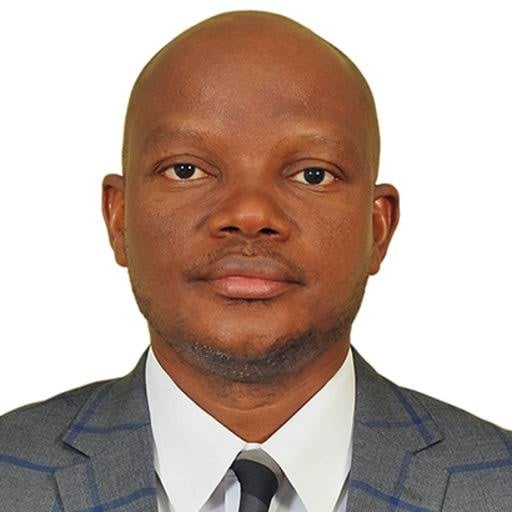
The President of the Academic Staff Union of Universities (ASUU), Prof. Chris Piwuna, has accused the Federal Government of failing to prioritise education, saying its officials do not treat the sector’s challenges as a national concern requiring collective effort.
Speaking during The Toyin Falola Interviews on Sunday in a virtual session themed “A Conversation with the ASUU President,” Piwuna said indifference among key government officials has hindered meaningful reforms in Nigeria’s education system.
According to him, members of the Federal Executive Council often view the problems facing education as the sole responsibility of the Minister of Education.
“Members of the government, the ministers, and chief executives do not see the problem of education as a problem that affects them,” he said. “When ASUU declares a strike, the Minister of Finance sees it as the Minister of Education’s problem, the Minister of Science and Technology sees it the same way. But if the Minister of Finance understood that the country’s economic growth depends on a knowledgeable workforce, he would take the Minister of Education’s problem as his own.”
Piwuna criticised the government’s attitude toward education, saying it is worsened by corruption and ideological conflicts.
“We in ASUU see education as a public good, but those in government treat it as a capitalist venture—something only important if it generates profit. Many now even suggest that TETFund should start funding private universities. Self-interest and contract inflation have replaced public service. That is why TETFund has become a marketplace,” he said.
The ASUU leader also revealed that the union’s ongoing negotiations with the Federal Government are nearing conclusion, adding that the government’s current salary offer remains “unacceptable.”
“What the government is offering us as salaries is nothing to write home about, and we are ready to go any length to fight it. Some of our colleagues sleep in their offices with their families due to poor living conditions. How can such people be expected to conduct research or seek endowments?” he added.
Other discussants at the event included historian and host Prof. Toyin Falola; University of Ibadan scholar, Prof. Francis Egbokhare; economist Prof. Sherrifdeen Tella; Nigeria Labour Congress President, Joe Ajaero; and journalist Grace Edema of The PUNCH.
Prof. Egbokhare blamed poor leadership and weak accountability structures for the decay in Nigeria’s university system. “You look around our universities and see poorly constructed buildings in an era when sustainable design should be standard. We must fix leadership and integrity issues within our universities,” he said.
He also argued that universities could generate income if government agencies patronised them for research, consultancy, and training services.
On his part, NLC President Joe Ajaero urged ASUU and the government to take a holistic approach to education reform, stressing that the crisis extends beyond universities. “Beyond autonomy, we must also address the state of primary and secondary education,” he said.
Economist Prof. Sherrifdeen Tella noted that Nigeria’s disregard for research has contributed to its underdevelopment. “When farmers plant improved seeds and get better yields, it’s due to academic research. Unfortunately, the system has neglected research for too long,” he said.
ASUU has historically resorted to strikes to press home its demands, citing unmet agreements, withheld salaries, promotion arrears, and poor funding of public universities. The current round of negotiations with the Federal Government, Piwuna hinted, may determine whether another industrial action looms.


