

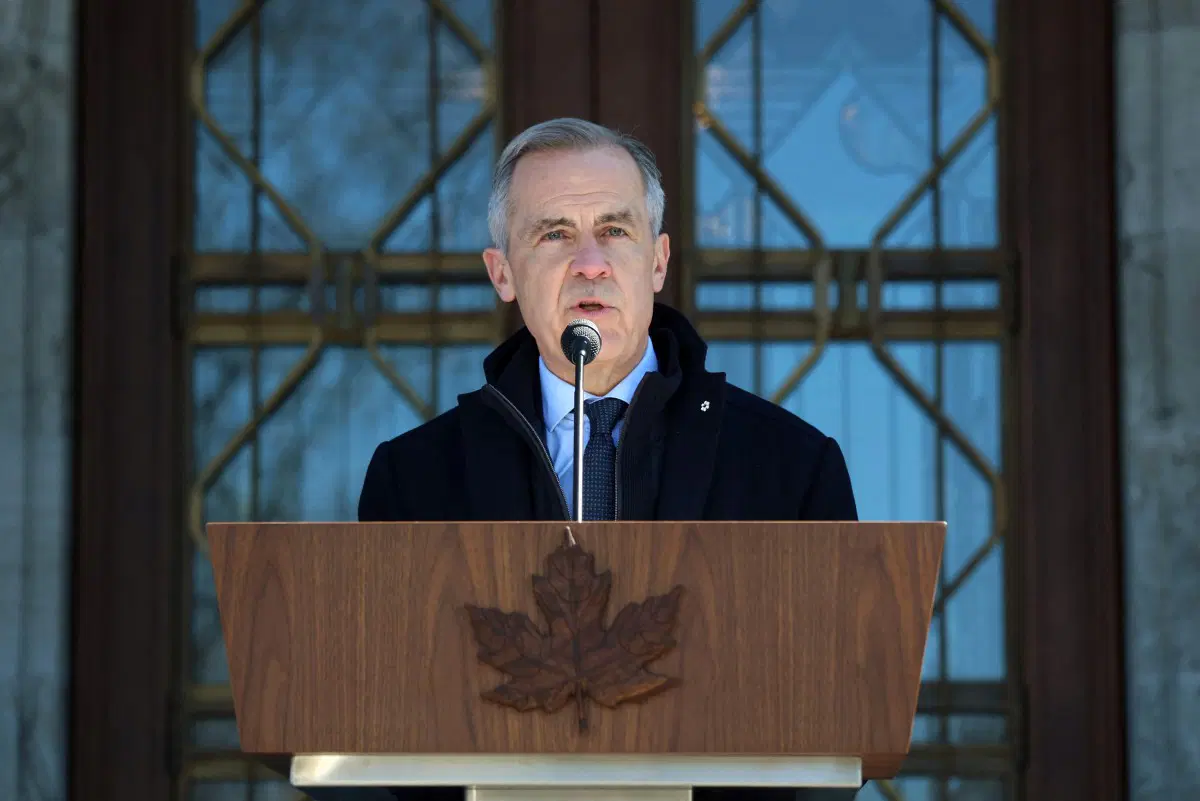
Canadian Prime Minister Mark Carney has announced an early parliamentary election for April 28, citing the need to counter U.S. President Donald Trump’s escalating trade and sovereignty threats.
Carney, a former central banker who replaced Justin Trudeau as Liberal leader, has never faced the national electorate. However, he has now advanced the election from October, making U.S.-Canada relations a central campaign issue.
A Tight Race Amid U.S. Tensions
Historically, Canadian elections focus on domestic issues like the economy and immigration. This time, however, the main question is who can best handle Trump. The U.S. president’s aggressive stance on trade and Canadian sovereignty has dramatically reshaped the political landscape.
Conservative leader Pierre Poilievre, initially the clear favorite, now faces a much tighter race. Recent polls suggest Carney’s Liberals have closed the gap, making the election unpredictable.
Poilievre, 45, a veteran politician known for his populist rhetoric, launched his campaign in Toronto, distancing himself from Trump. “I want the opposite of what Donald Trump wants,” he declared, emphasizing economic concerns over international disputes.
Carney, 60, started his campaign in Newfoundland and Labrador, urging Canadians to resist Trump’s tariffs and economic pressure. “We need big change to turn our economy around and fight Donald Trump’s tariffs,” he told supporters.
Trump’s Indifference, But Major Influence
Despite playing a key role in shifting Canadian political discourse, Trump has downplayed his interest in the election. “I don’t care who wins up there,” he said, while preparing to impose new tariffs on Canada and other trading partners on April 2.
Smaller opposition parties may struggle as voters consolidate around the Liberals or Conservatives to counter Trump’s influence. With just over a month until election day, both Carney and Poilievre are locked in a high-stakes battle over Canada’s future direction.


