

Written by Dominic Ogakwu
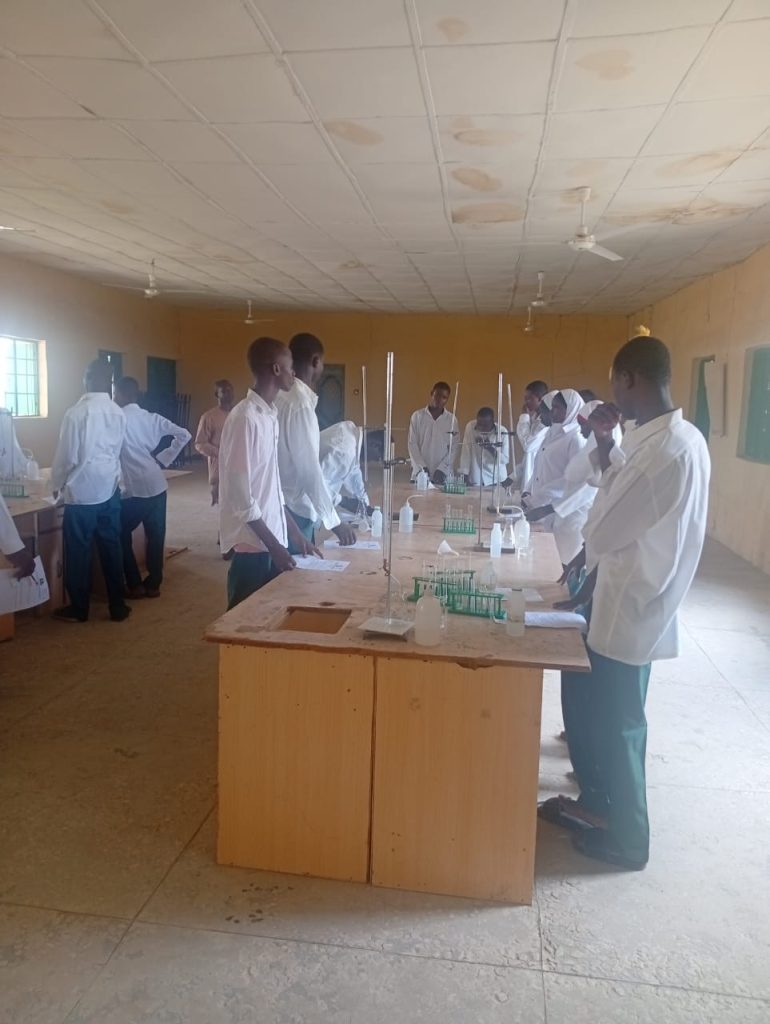
At exactly 9:00 a.m., the workshop at the Federal Government Technical School, Orozo, was already alive.
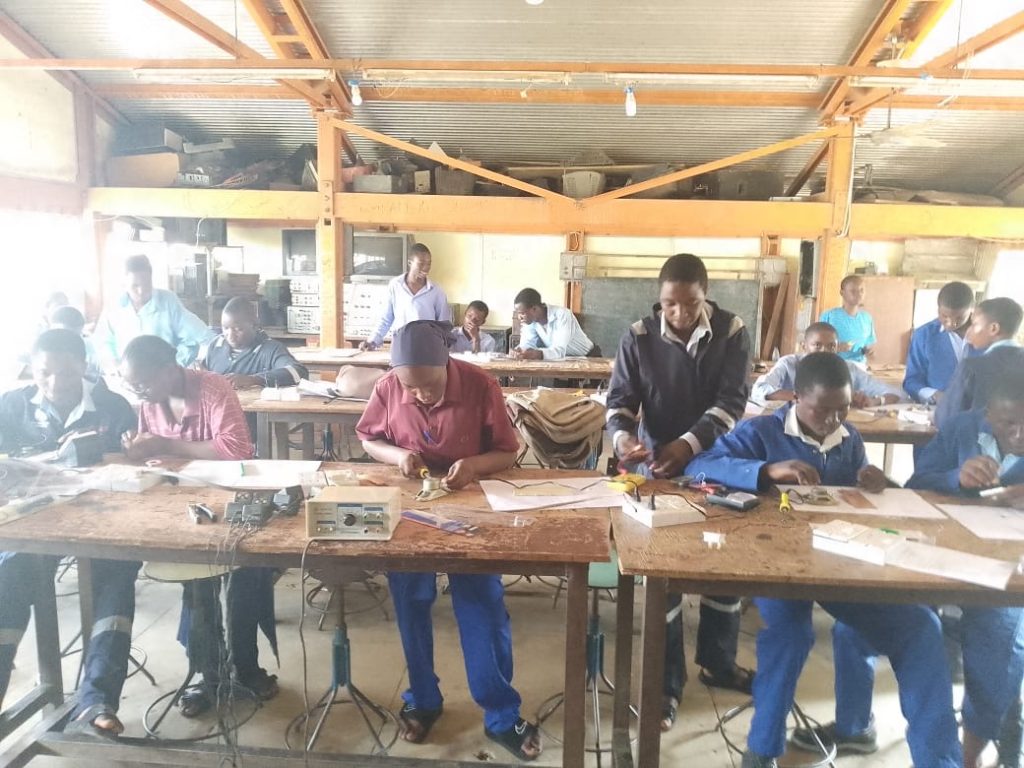
The sharp sound of metal meeting metal echoed from one corner. Sparks danced from welding machines. In another workshop, young hands carefully assembled electrical circuits while instructors moved quietly from one workbench to another, correcting mistakes, encouraging confidence, and shaping futures.
This was not just another examination day.
It was a glimpse into the Nigeria that is quietly being built—one skilled hand, one trained mind, and one determined student at a time.
As part of our national assignment, CSO Media Integrated Ltd was engaged to independently assess, monitor and report on both the NABTEB Common Entrance Examination and the 2026 In-School Final Year Certificate Examinations conducted at the Federal Government Technical School, Orozo, as well as technical schools across Kebbi State.

Our team travelled not merely as observers but as witnesses to a remarkable transformation.
What we found challenged many of the assumptions Nigerians hold about technical education.
Across the centres we visited, examination processes were orderly, transparent and professionally coordinated. Students demonstrated remarkable confidence, while administrators and invigilators carried out their responsibilities with discipline and integrity. More importantly, the atmosphere reflected something deeper—a renewed belief that technical and vocational education is no longer the forgotten path, but an important route to national development.
Behind this quiet transformation stands the National Business and Technical Examinations Board (NABTEB).
Established in 1993, NABTEB was created to conduct professional, technical and vocational examinations leading to the award of the National Technical Certificate (NTC), National Business Certificate (NBC), and other advanced qualifications. Beyond conducting examinations, the Board serves as one of Nigeria’s most strategic institutions for developing a workforce capable of driving industrialization, entrepreneurship and economic growth.
Through research, examination quality assurance, statistical analysis and continuous curriculum modernization, NABTEB ensures that technical education remains relevant to the changing demands of industry and the global economy.
Yet institutions become exceptional because of leadership.
Since assuming office as Registrar and Chief Executive Officer, Dr. Mohammed Aminu has brought renewed energy and strategic direction to NABTEB.
His administration has focused not merely on conducting examinations but on restoring confidence in technical education itself.
Under his leadership, Technical and Vocational Education and Training (TVET) has witnessed renewed momentum. NABTEB examination enrolment has grown to over 100,000 candidates nationwide, demonstrating increasing public confidence in vocational education. Accredited examination and assessment centres have expanded by more than ten percent, making technical education more accessible to young Nigerians in different parts of the country.
The Board has also intensified efforts to reduce examination malpractice through improved monitoring systems while modernising curricula across numerous trade areas to ensure graduates possess skills relevant to today’s industries.
Perhaps even more significant has been Dr. Aminu’s consistent advocacy for the revitalisation of technical and vocational institutions across Nigeria. His message has remained clear: sustainable economic growth cannot depend solely on white-collar employment. Nigeria must deliberately produce skilled technicians, craftsmen, engineers, innovators and entrepreneurs capable of creating jobs rather than merely seeking them.
Our independent field assessment strongly reinforced this vision.
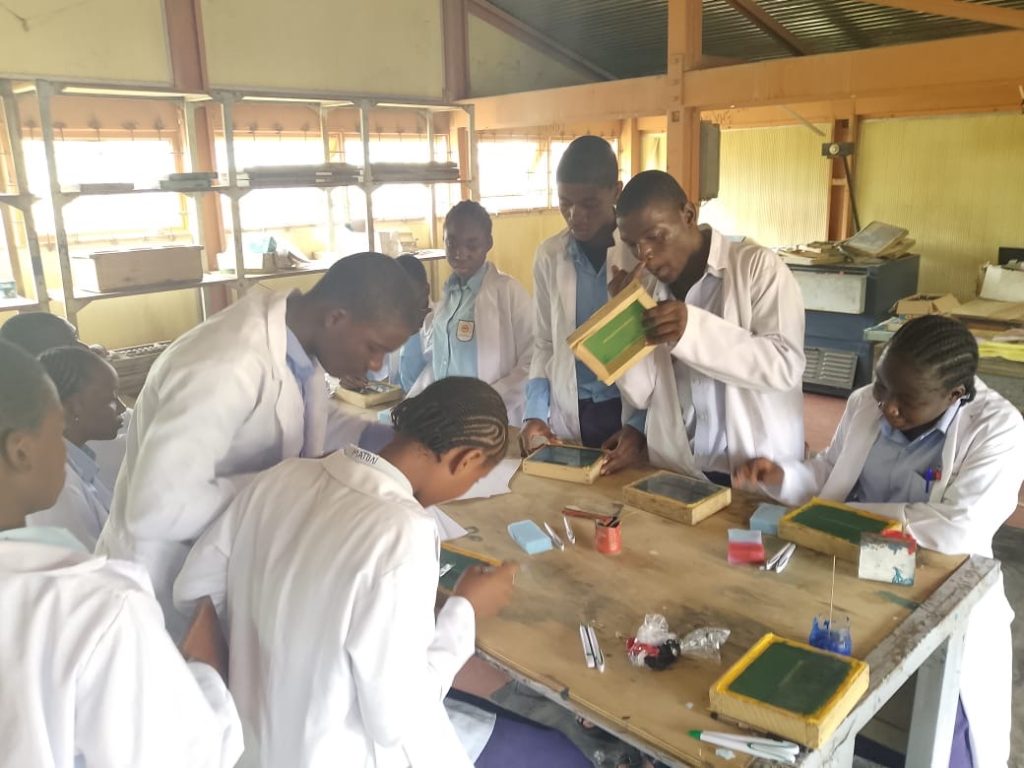
Travelling through examination centres in Orozo and Kebbi State, we encountered students who were not simply preparing for certificates; they were preparing to become electricians, builders, machinists, automotive technicians, ICT professionals and business innovators. For many of them, technical education represents hope, dignity and the opportunity to build meaningful careers through practical skills.
This reality becomes even more significant when viewed against Nigeria’s current challenges.
Youth unemployment remains one of the country’s greatest concerns. Technical and Vocational Education and Training offers one of the most practical solutions, yet the sector continues to face obstacles, including inadequate funding, ageing equipment, shortages of qualified instructors and the lingering misconception that vocational education is somehow inferior to university education.
Nothing could be further from the truth.
The workshops we visited tell a different story.
Every machine operated by a student represents a future artisan.
Every technical drawing completed is the beginning of an engineer’s journey.
Every practical examination conducted with integrity strengthens Nigeria’s capacity for industrial growth.
Nations that transformed their economies did not achieve success by producing graduates alone. They succeeded because they produced skilled people who could manufacture, innovate, repair, construct and create.
Nigeria’s future will be no different.
While more than 58,000 candidates recently sat for the National Common Entrance Examination into Federal Unity Colleges, an equally important national conversation must continue around expanding opportunities for technical and vocational education. The country needs both academic excellence and technical competence. One complements the other; neither should be seen as secondary.
Our independent monitoring assignment reaffirmed an important truth.
NABTEB is not merely conducting examinations.
It is helping to build a generation of young Nigerians equipped with practical skills, entrepreneurial capacity and the confidence to contribute meaningfully to national development.
The story unfolding in Nigeria’s technical schools deserves greater national attention.
It is the story of young people discovering purpose through skill.
It is the story of communities that will benefit from locally trained professionals.
It is the story of an institution steadily redefining technical education through credible examinations, curriculum reforms and visionary leadership.
Above all, it is the story of hope.
And if Nigeria is serious about building a resilient economy, creating sustainable jobs and preparing its youth for the industries of tomorrow, then institutions like NABTEB—and the reforms championed under the leadership of Dr. Mohammed Aminu—must continue to receive the support, recognition and investment they deserve.
For in the classrooms and workshops of Nigeria’s technical schools, the future is not being imagined.
It is already being built.

