

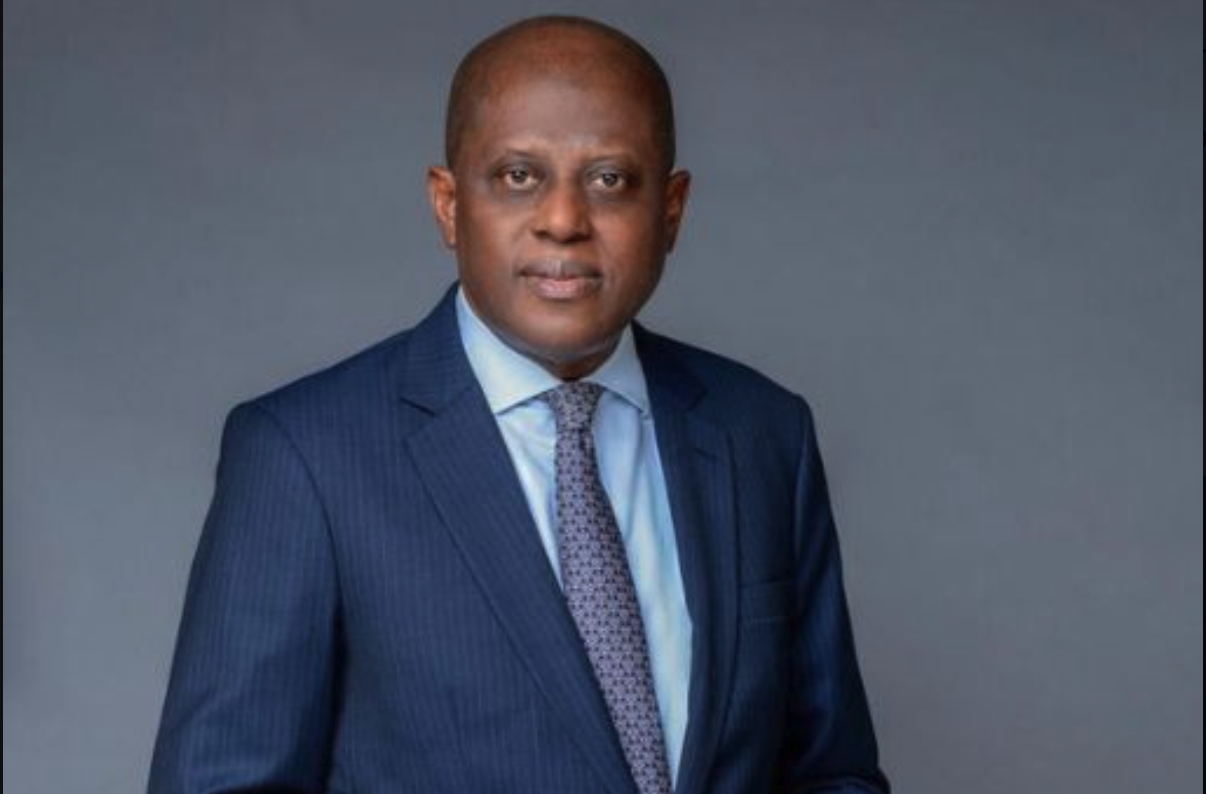
When Dr. Olayemi Cardoso, Governor of the Central Bank of Nigeria (CBN), pledged to tackle rising inflation and stabilize the naira last year, it marked the beginning of a significant shift in Nigeria’s economic strategy. The CBN, under Cardoso’s leadership, embarked on a bold course towards an inflation-targeting regime, reflecting a more assertive approach to managing the nation’s economy.
To combat the volatility in the foreign exchange (FX) market, the CBN introduced several circulars and controversially raised interest rates four times this year. While these measures were aimed at reducing excess liquidity and curbing inflationary pressures, they drew criticism, particularly from manufacturers who argued that the rising cost of borrowing exacerbated the economic challenges they faced, including increased production costs and a weakening naira.
Despite the backlash, the CBN remained committed to its monetary tightening, which it viewed as essential for restoring confidence in the naira. Recent data from the National Bureau of Statistics (NBS) provided a glimmer of hope, showing a slight easing of headline inflation to 33.40% year-on-year in July 2024, down from 34.19% in June. This was partly due to a moderation in food prices following the green harvest and the end of the Idi el-Kabir celebrations.
However, the International Monetary Fund (IMF) has emphasized the need for smart fiscal policies to complement monetary efforts in restoring price stability and addressing the cost-of-living crisis. Nigeria’s fiscal policies, overseen by the government, have been criticized for being overly lax, with high public spending, inadequate revenue generation, and rising public debt contributing to inflationary pressures.
Economic experts have highlighted the disconnect between the CBN’s tight monetary policy and the government’s expansive fiscal stance. They argue that the lack of coordination between monetary and fiscal authorities exacerbates the economic challenges faced by Nigerians, particularly as inflation erodes disposable income and increases poverty.
The Minister of Finance, Wale Edun, acknowledged Nigeria’s financial challenges, noting that debt repayment now exceeds both recurrent and capital expenditure. Despite efforts to stabilize the economy, analysts stress the need for stronger coordination between fiscal and monetary policies to achieve Nigeria’s ambitious economic goals, such as a $1 trillion economy by 2030.
Analysts at Cordros Research expect the CBN’s recent FX retail auction to mitigate exchange rate pressures, though they also anticipate that higher transportation costs and delays in executing food price moderation initiatives may offset gains. They forecast a slight moderation in headline inflation to 32.21% year-on-year in August.
The CBN’s proactive role in steering the economy is crucial, but a lasting solution to Nigeria’s economic challenges requires a more disciplined and coordinated approach between the country’s monetary and fiscal authorities. Without such alignment, Nigeria risks continued economic instability and inflationary pressures that could hinder long-term growth and development.


